
AI Won’t Replace You, But the Designer Using It Probably Will.
Everyone’s asking if AI will replace designers. But maybe that’s the wrong question.
AUDIENCE
Designers & Thinkers
SUBJECT
Design ∩ AI
READ TIME
6 minutes
PUBLISHED
March 2026
Welcome to the New Era
The design industry is in the middle of its biggest shift in decades. And it's moving fast. AI isn't approaching. It's already here.
Figma Make generates production-ready UI from natural language prompts. Tools like Flowstep and UX Pilot turn product descriptions into fully editable screens with proper hierarchy and spacing. Google Stitch lets you speak to a canvas, describe a feeling ("premium and minimalist, like Stripe"), and get multiple design directions generated instantly, for free. Midjourney produces visuals that pass for professional photography. And Claude Code takes it further: describe a landing page in plain language and it generates the full HTML, CSS, and scripts, ready to preview in your browser in minutes. No code written by hand.
This isn't coming. It's the current state of production design tools in 2026.
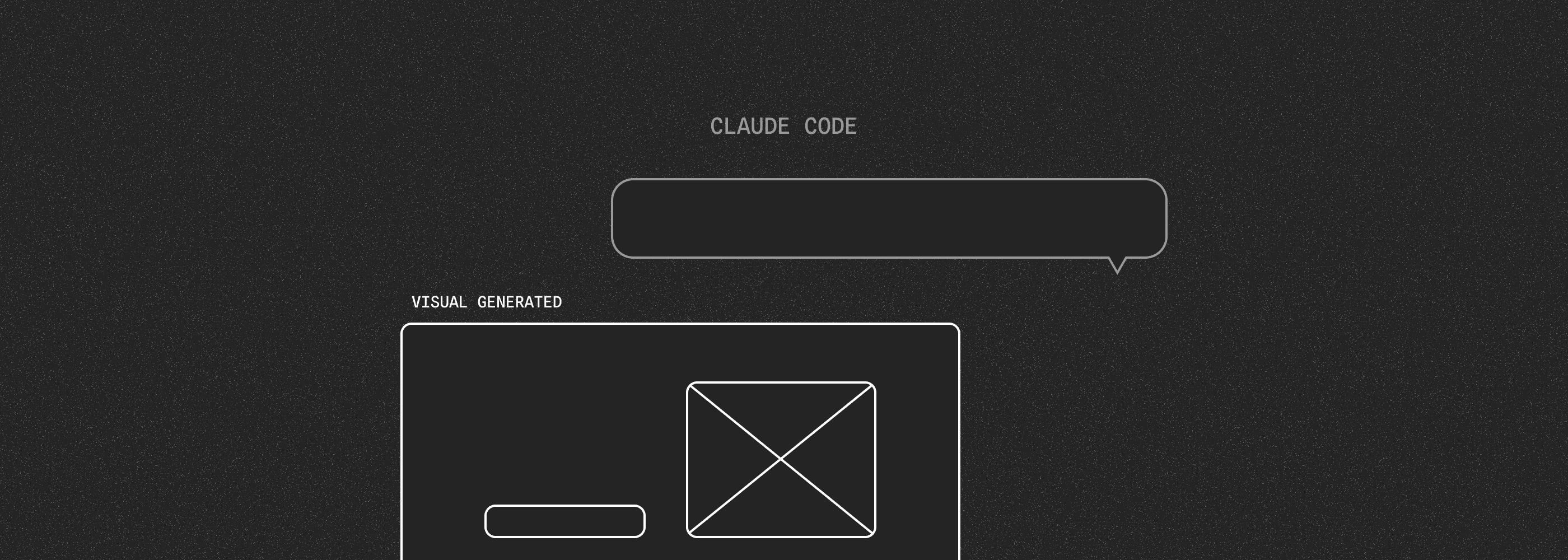
Naturally, the question comes up: "Will AI replace designers?"
The answer is layered. But first, it helps to understand how AI actually creates. That's the key to knowing what it can and can't replace.
How AI Actually Designs Things
AI learns through data. Massive amounts of it. Image generators are trained on datasets of images paired with text, learning patterns in aesthetics, style, and composition. They operate in the overlap between visual and linguistic understanding.

Think of it like a Venn diagram: one circle is every image ever published, the other is every caption ever written. AI learns what lives in the intersection. It's not magic. It's math. But the math has gotten good enough that the output is often indistinguishable from human work at the surface level.
So what can't it do? That's where you come in.
What AI Still Can’t Do (and Where Humans Win)
AI can generate polished visuals at speed. But it doesn't understand why something works. It mimics style, not strategy. It can't empathize, intuit context, or balance conflicting goals the way a designer does.
Remember the Kingfisher-inspired bullet train? The designer didn't optimize for speed alone. He looked to nature for a solution to noise pollution. Linking a bird's beak to a train's nose is intuitive problem-solving. AI doesn't make those leaps.
Or consider Airbnb's "Belo" rebrand. That wasn't a visual refresh. It was a mission rewrite expressed through identity. It required cultural sensitivity, storytelling, and emotional resonance. You can't prompt your way to that.

That's creativity. That's systems thinking. That's still human.
AI as a Superpower, Not a Threat
Think of AI as a partner, not a competitor. A partner that never sleeps and works at the speed of thought.
The designers who are pulling ahead in 2026 aren't the ones resisting AI. They're the ones who've absorbed it into their workflow so deeply that the output is indistinguishable from "their work." The tool disappears. The thinking stays visible.
The goal isn't to fight the machine. It's to make the machine an extension of how you already think.
So... Will AI Replace Designers?
Let's be honest. Some parts of the job are already replaced. And that's a good thing.
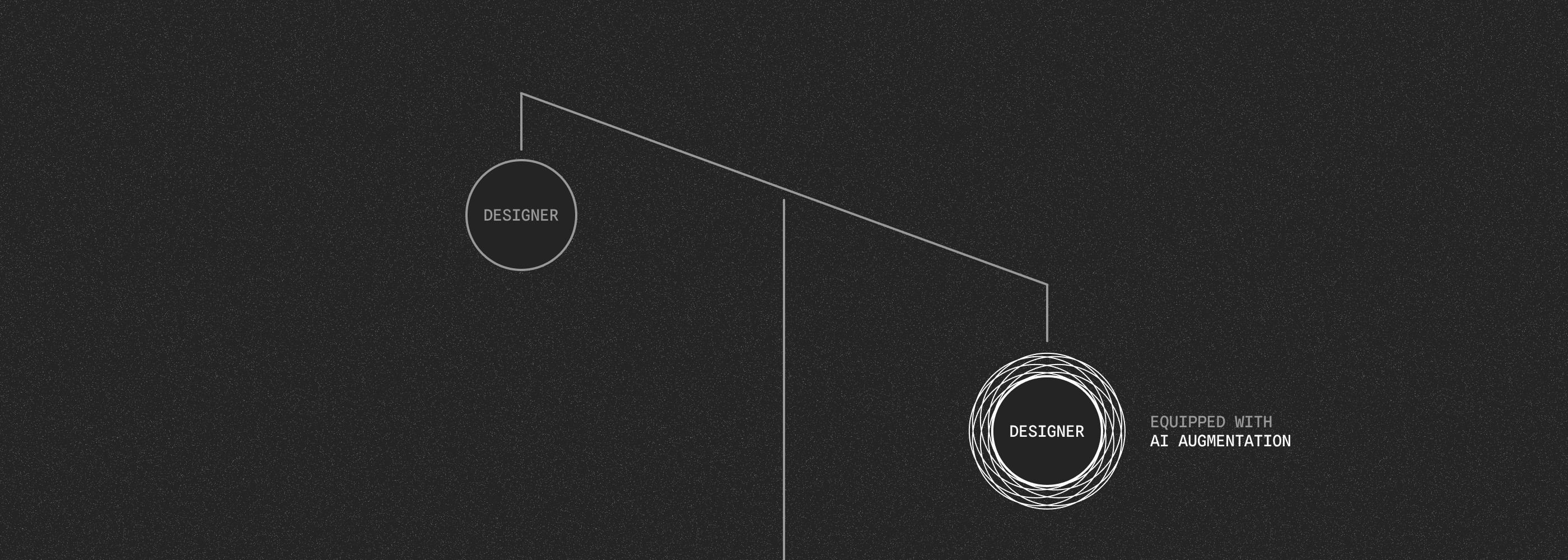
Renaming layers, resizing frames, generating UI variations, producing placeholder content, building responsive layouts from a single screen. AI handles all of it now. That frees designers to focus on what actually matters: thinking, storytelling, system design, user advocacy.
Redefining the Designer’s Role
The designer's identity is evolving from executor to orchestrator.
As AI takes over executional tasks, the real value lies in strategy, storytelling, and systems thinking. Tomorrow's designers won't just design screens. They'll define problems, shape narratives, and collaborate with both humans and AI as creative partners.
Every designer will soon need to think critically, write clearly, and speak confidently. Skills once reserved for senior roles. Knowing how to use Figma isn't enough. Knowing how to think, decide, and communicate why is what sets you apart.
Final Thoughts
AI won't replace designers. But it will make designers faster, sharper, and more efficient than ever. The real shift isn't machines taking over. It's designers who harness AI outpacing those who don't.
In the end, it won't be AI replacing you.
It'll be a designer who's using AI better than you.
Liked the read? Let's talk.
Book a call or drop an email below:


Find me online
Follow my work in real time: