
Web3 UX Without Understanding Blockchain? That’s Just Decoration!
A deep dive into why great Web3 design starts with understanding the tech, before touching Figma.
AUDIENCE
Designers & Builders
SUBJECT
Design ∩ Web3
READ TIME
6 minutes
PUBLISHED
August 2025
Web3 Adoption's Bottleneck Isn’t Tech. It’s UX.
Web3 is already here. Every week, a new DeFi app, NFT marketplace, or wallet launches. But despite the momentum, most Web3 products are still a nightmare for newcomers.
Gas fees. Wallet popups. Transaction hashes. Stuck loading states. Cryptic signatures. For someone new, it's a product built for power users, not people. Not the way to onboard the "next billion users" to crypto rails.
And that's the problem.
Everyone talks about fixing UX in Web3. But designers can't fix what they don't understand.

Why Web2 Design Thinking Breaks in Web3
Designing for Web3 is a different beast. It flips core technical assumptions on their head.
Ownership & Identity: In Web2, accounts are tied to emails and passwords. In Web3, it's wallets and private keys. You don't "sign in," you "connect wallet." No recovery email. Lose your key? Game over.
Transactions: They're public, irreversible, and on-chain. Users don't just click "buy." They sign cryptographic transactions tied to real assets.
UX is Blockchain-Dependent: The frontend is no longer in charge. Performance depends on nodes, RPC latency, network congestion, and contracts. Even the slickest UI can't save misunderstood contract logic.
No Traditional Backend: The frontend communicates directly with the blockchain. No real-time sync. No safety net. UX isn't just delayed. It's uncertain.
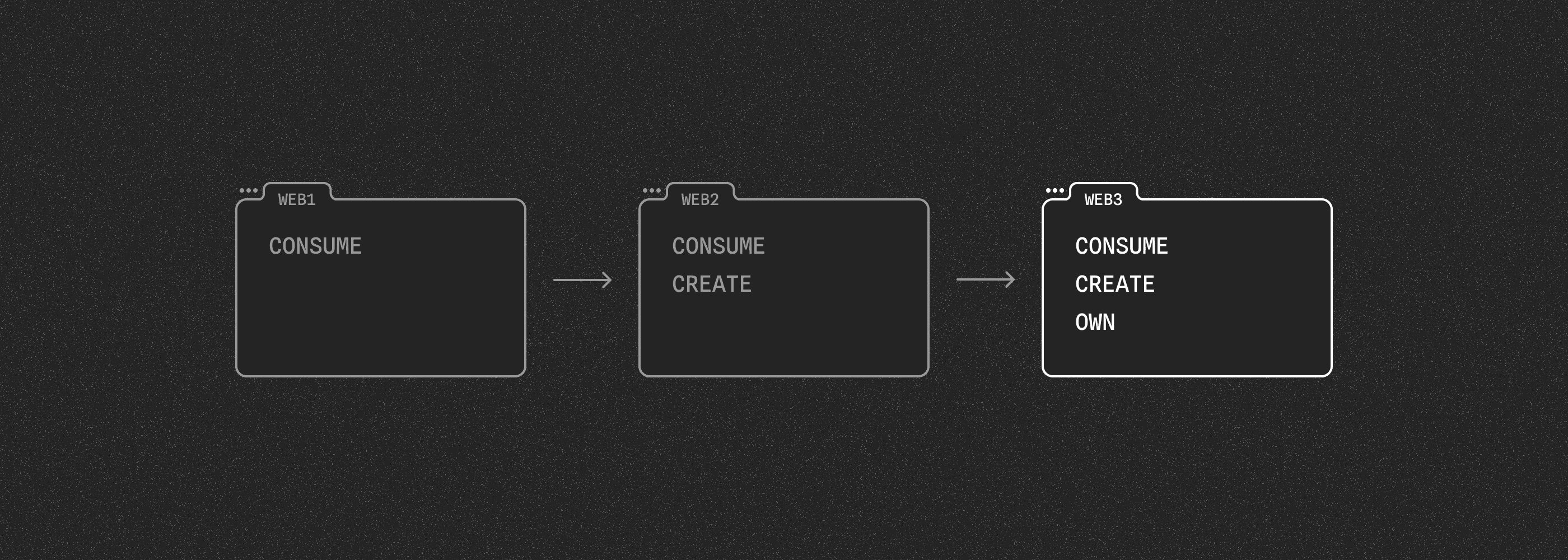
Web2 taught us to expect instant feedback and infinite retries. Web3 doesn't work that way.
The Cost of Skipping Technical Context
Here's what happens when Web3 design lacks technical context:
Mistimed feedback: A "Success" toast appears before the transaction is confirmed on-chain. User is confused. Funds are still in limbo.
Generic error handling: "Something went wrong." Was it gas fees? RPC timeout? Signature denied? Contract reverted? Without technical clarity, users get stuck.
Unclear signing prompts: A wallet pops up asking users to sign a hash. No context. No explanation. Just gibberish. Trust breaks instantly.
Bridge UI disasters: A user bridges tokens to another chain, but funds don't show up. The destination chain required an extra approval transaction nobody told them about.
These aren't just bad design decisions. This is what happens when UX doesn't account for the smart contract.
Good Design Needs Deep Context
Good UX isn't about clean UIs or fancy animations. It's about mapping human mental models to complex systems.
In Web2, designers got away with abstraction. You could hide the backend. Fake loading states. Delay real consequences.
In Web3, technical literacy isn't a bonus. It's the design baseline.

If you don't know how MetaMask injects a provider...
If you don't understand how a smart contract emits an event...
If you can't tell what a transaction hash actually represents...
...then you're not designing a seamless experience. You're decorating confusion.
How Technical Designers Have an Edge
Designers who understand the blockchain stack have superpowers. Why?
They design flows around contract limitations instead of hitting blockers later in dev.
They ask smarter questions during scoping: "Does this need a state change or can it stay off-chain?"
They collaborate better with engineers because they speak the same language.
They anticipate edge cases like pending transactions, wallet disconnects, or chain mismatches.
When you understand the system, you can bend it. When you don't, it bends you.
Should Designers Learn to Code?
Not necessarily. But they should learn enough to hold their own in technical conversations.
You don't need to write production Solidity.
But you should know what an ABI is. You should understand what the signTypedData method does. You should know the difference between L1 and L2, between a relayer and a provider, between reading and writing to a contract.

At the very least, you should be able to follow a smart contract's logic and trace what it expects the user to do.
This isn't about gatekeeping. It's about respecting the complexity of the medium you design for.
Final Thoughts
Designing in Web3 without understanding its tech is like building an airplane dash without knowing how it flies.
The best Web3 designers aren't just good with Figma. They understand how wallets behave, where contracts fail, and how humans react to uncertainty. That's what makes their work seamless. Trustworthy. Invisible.
If you're serious about designing in Web3, learn the tech. Not to become a developer, but to become dangerously good at design.
Liked the read? Let's talk.
Book a call or drop an email below:


Find me online
Follow my work in real time: